
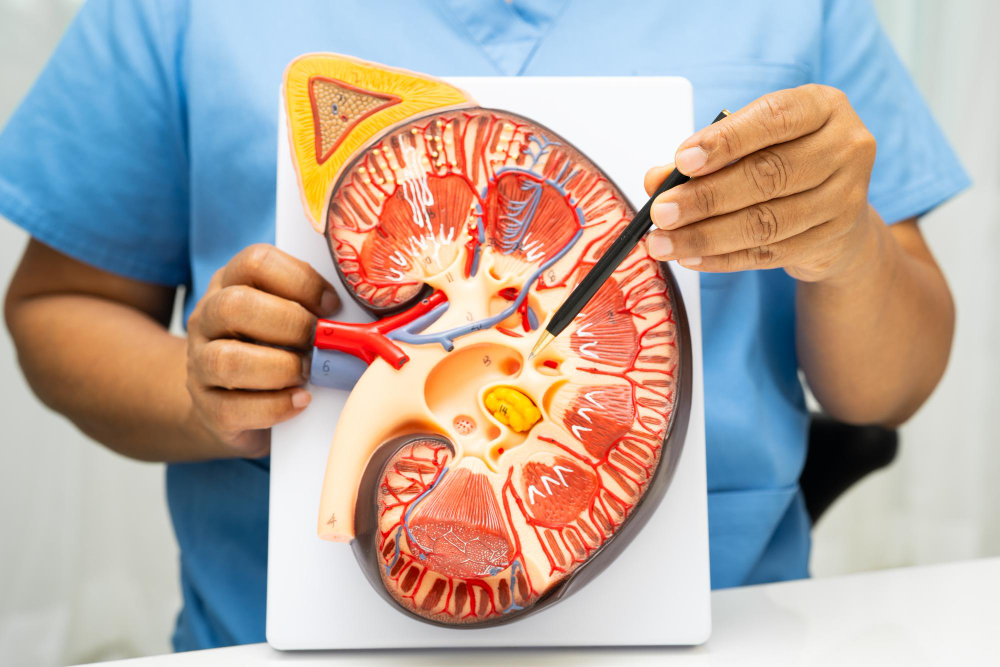
What Are Kidney Stones?
Kidney stones are hard lumps that form in your kidneys. They develop when minerals and salts build up. Sometimes, these stones are very small. However, they can also grow larger and cause pain. According to the CDC, kidney stones are a common problem. Anyone can get them, but some people are at higher risk.
Common Symptoms of Kidney Stones
Kidney stones can cause many symptoms. Some people may not notice any signs at first. But as the stone moves, symptoms often appear. For example, you might feel pain or discomfort. Here are some common symptoms:
Sometimes, these symptoms can be mild. But if pain is severe or you have a fever, seek help right away.
How Are Kidney Stones Diagnosed?
Doctors use several tests to find kidney stones. First, they may ask about your symptoms. Then, they might do a physical exam. After that, you may need tests such as:
With these tests, doctors can see the size and location of the stone. This helps them decide the best treatment.
Treatment Options for Kidney Stones
Treatment depends on the size and type of kidney stone. For small stones, you may not need surgery. Instead, doctors often suggest:
However, larger stones may not pass on their own. In those cases, other treatments are needed. Sometimes, surgery is the best option. The right choice depends on your symptoms and test results.
When Is Surgery Actually Needed?
Many people wonder, “When is surgery needed for kidney stones?” Surgery is not always the first step. But in some cases, it is necessary. Here are signs you need kidney stone surgery:
If you have any of these signs, your doctor may suggest surgery. According to the National Kidney Foundation, surgery is safe and effective when needed.
Types of Kidney Stone Surgery
There are several types of kidney stones surgery. Your doctor will choose the best one for you. The main options include:
Each method has its own benefits and risks. Your doctor will explain which is best for your situation.
Recovery and Prevention Tips
After kidney stone surgery, most people recover quickly. However, you may need to rest for a few days. To help prevent future stones, try these tips:
With these steps, you can lower your risk of new stones forming.
When to See a Urologist
It is important to know when to seek help. See a urologist if you have:
Early treatment can prevent problems. A urologist can guide you on the best treatment options for kidney stones.
Consult Dr. Mehul Agarwal at Advanced Urocare Centre for personalized advice if you suspect kidney stones or need guidance on treatment options.