
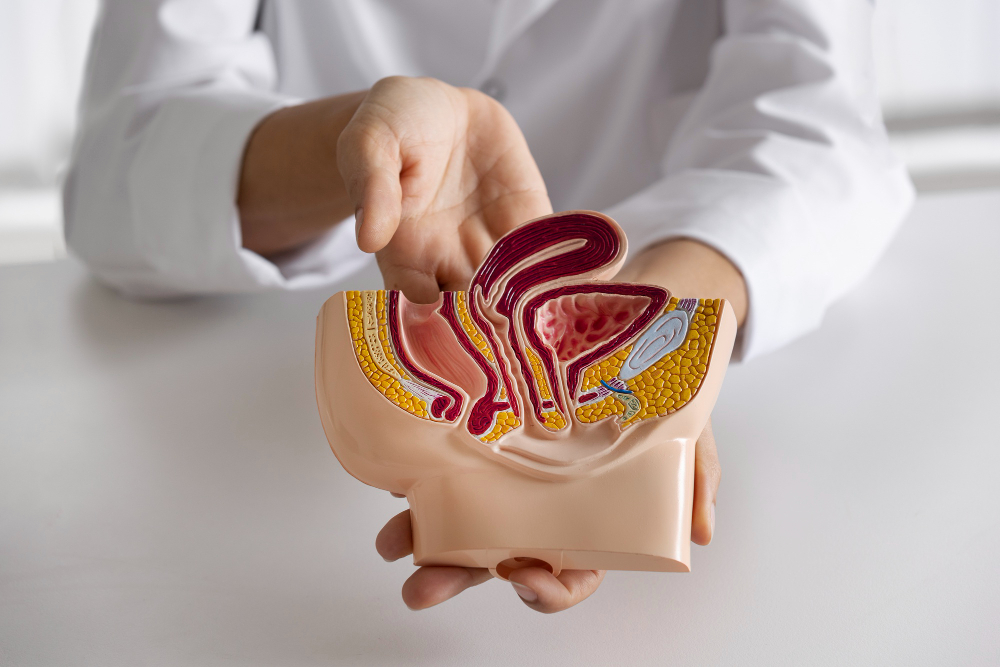
What is Cryptorchidism?
Cryptorchidism means that one or both testicles do not move down into the scrotum before birth. This condition is also called an undescended testicle. Usually, testicles form inside the belly and move down before a baby boy is born. However, in some cases, this does not happen. Cryptorchidism in children is common, especially in babies born early. According to the Centers for Disease Control and Prevention (CDC), about 3% of full-term boys have this condition. For boys born early, the number is even higher. Early urology care for cryptorchidism can help prevent problems later in life.
Common Symptoms of Cryptorchidism
Often, cryptorchidism does not cause pain. Still, parents may notice signs soon after birth. For example, the main symptom is that one or both testicles are missing from the scrotum. Sometimes, the scrotum may look smaller or uneven. In rare cases, a lump may be felt in the groin area. However, most children with an undescended testicle do not have other symptoms. Because of this, regular check-ups are important. Doctors can spot cryptorchidism during a newborn exam.
Causes and Risk Factors
While the exact cause of cryptorchidism is not always known, several factors can raise the risk. For instance, babies born before 37 weeks are more likely to have an undescended testicle. Also, low birth weight can increase the chance. In addition, family history may play a role. If a father or brother had cryptorchidism, the risk is higher. Exposure to certain chemicals during pregnancy may also be linked. According to the World Health Organization (WHO), some health problems in the mother, like diabetes, can raise the risk as well.
How Cryptorchidism is Diagnosed
Doctors usually diagnose cryptorchidism during a physical exam. At birth, the doctor checks if both testicles are in the scrotum. If one or both are missing, further checks may be needed. Sometimes, doctors use an ultrasound to locate the testicle. In rare cases, other imaging tests or surgery may be needed. However, most cases are found with a simple exam. Early diagnosis helps guide the best cryptorchidism treatment options.
Treatment Options for Cryptorchidism
Treatment for cryptorchidism depends on the child’s age and health. In some cases, the testicle moves down on its own within a few months. However, if it does not, treatment is needed. Surgery is the most common cryptorchidism treatment option. This surgery is called orchiopexy. During the procedure, the doctor moves the testicle into the scrotum. Sometimes, hormone therapy is used, but it is less common. Early treatment, usually before age one, can lower the risk of future problems. Urology care for cryptorchidism helps children grow up healthy.
Possible Complications
Without treatment, cryptorchidism can lead to problems later in life. For example, boys may have trouble having children as adults. There is also a higher risk of testicular cancer. In addition, an undescended testicle can twist, causing pain and damage. Sometimes, the testicle may be injured more easily. Because of these risks, early urology care for cryptorchidism is important. Treatment can help prevent many of these issues.
Prevention and Lifestyle Guidance
Although not all cases of cryptorchidism can be prevented, some steps may help. For example, regular prenatal care during pregnancy can lower risks. Avoiding harmful chemicals and smoking may also help. If you have a family history of undescended testicles, tell your doctor. After birth, regular check-ups help catch problems early. With early diagnosis and the right cryptorchidism treatment options, most children do well. Ongoing urology care for cryptorchidism supports healthy growth and development.
Conclusion
For any concerns about cryptorchidism or your childs health, schedule a consultation with Dr. Mehul Agarwal. Early advice and care can make a difference for your family.