
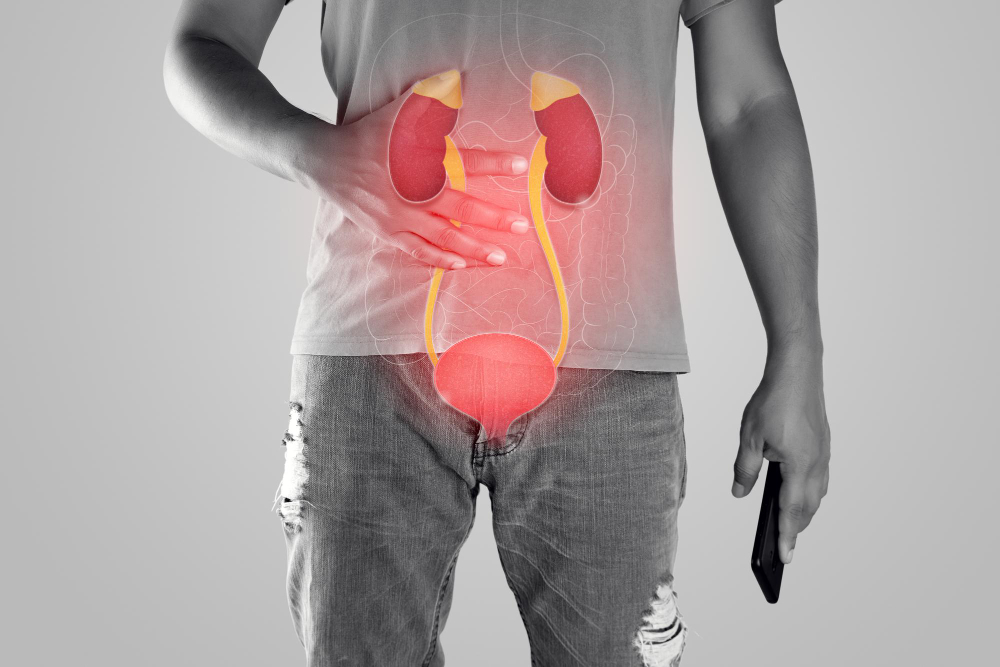
What is Urosepsis?
Urosepsis is a serious infection that starts in the urinary tract and spreads to the blood. Because it can become life-threatening, early care is important. The urinary tract includes the kidneys, bladder, and tubes that carry urine. When bacteria from a urinary tract infection (UTI) enter the bloodstream, they can cause urosepsis. According to the World Health Organization (WHO), sepsis, including urosepsis, is a leading cause of death worldwide. In some regions, like older adults in the United States, urosepsis is more common due to higher rates of UTIs.
Symptoms of Urosepsis
Recognizing urosepsis symptoms early can save lives. While symptoms may start mild, they can quickly worsen. For example, a person may first feel like they have a regular UTI. However, as the infection spreads, new symptoms appear. Common signs include:
Sometimes, people may also feel very weak or dizzy. If you notice these symptoms, especially after a UTI, seek medical help right away.
Causes and Risk Factors
Most often, urosepsis starts with a urinary tract infection. Bacteria, such as Escherichia coli (E. coli), are common causes. However, other germs can also lead to this condition. Certain factors increase the risk of developing urosepsis. For instance, people with weakened immune systems are at higher risk. Additionally, older adults and those with chronic diseases face greater danger. Key risk factors include:
Because urosepsis can develop quickly, knowing your risk is important. In some locations, such as nursing homes, the risk may be higher due to more catheter use.
How Urosepsis is Diagnosed
Doctors use several steps to diagnose urosepsis. First, they ask about symptoms and medical history. Next, they perform a physical exam. Because early diagnosis is key, doctors often order tests right away. Common tests include:
Sometimes, doctors may also test for other causes of infection. According to the Centers for Disease Control and Prevention (CDC), quick diagnosis helps improve outcomes. If you wonder, “How is urosepsis diagnosed?” these steps are standard in most hospitals.
Treatment Options for Urosepsis
Treating urosepsis requires fast action. Doctors usually start antibiotics right away. Because the infection can spread quickly, early treatment saves lives. Hospital care is often needed. Treatment options for urosepsis may include:
In some cases, surgery may be needed to remove infected tissue. The CDC recommends starting treatment as soon as urosepsis is suspected. While most people recover with proper care, delays can lead to serious problems.
Prevention Tips for Urosepsis
Preventing urosepsis starts with good urinary tract health. Because many cases begin as UTIs, early treatment is important. Here are some urosepsis prevention tips:
In addition, regular check-ups can help catch problems early. According to peer-reviewed medical journals, these steps lower the risk of urosepsis in all age groups.
Conclusion
If you notice symptoms of urosepsis or have concerns about urinary infections, do not wait. Schedule a consultation with Dr. Mehul Agarwal for expert care and guidance. Your health and peace of mind matter.