
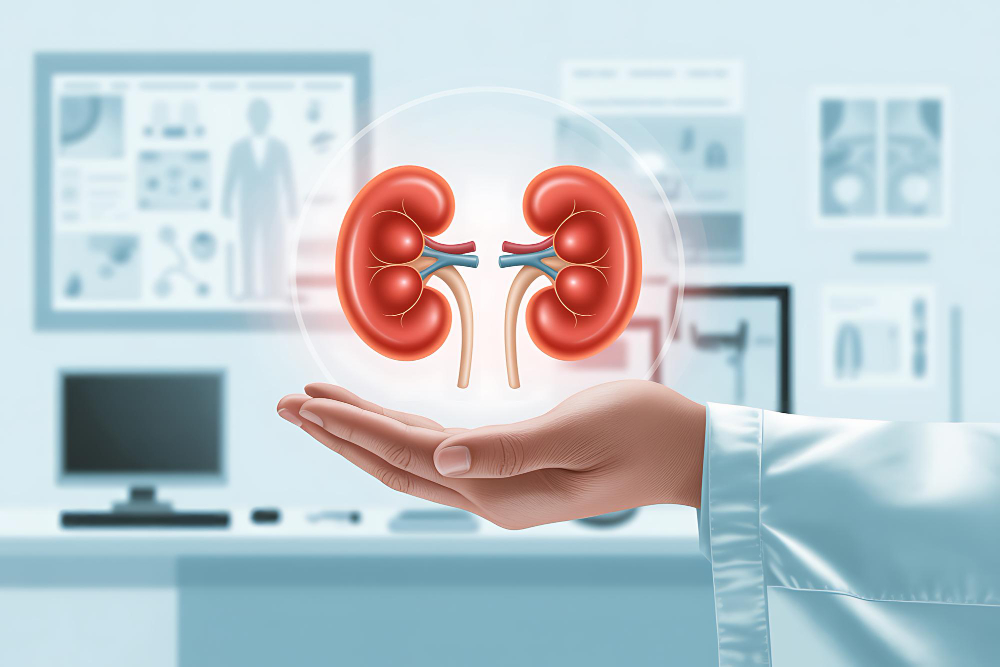
What Is a Kidney Transplant?
A kidney transplant is a surgery that replaces a sick kidney with a healthy one. Usually, people with kidney failure need this treatment. The healthy kidney can come from a living person or someone who has passed away. Because the new kidney does the work of the failed one, it can help you feel better and live longer. In many cases, a kidney transplant is the best option for people with end-stage kidney disease.
Who Is Eligible for a Kidney Transplant?
Not everyone with kidney problems can get a transplant. Doctors use several factors to decide if someone is eligible. For example, they look at your overall health and how well your body can handle surgery. Here are some common requirements:
However, each transplant center may have its own rules. Therefore, it is important to talk with your doctor or a transplant team. They will check your health and guide you through the process. According to the National Kidney Foundation, age alone does not prevent you from getting a transplant, but other health issues might.
When Is a Kidney Transplant Recommended?
Doctors usually recommend a kidney transplant when your kidneys can no longer work well enough to keep you healthy. This stage is called end-stage kidney disease. At this point, your kidneys work at less than 15% of normal. Because your body cannot remove waste and extra fluid, you may feel very tired or sick. In some cases, a transplant is suggested before starting dialysis. But often, people start dialysis first and then get a transplant later. Your doctor will help decide the best time for you.
Benefits and Risks of Kidney Transplant
Like any surgery, a kidney transplant has both benefits and risks. It is important to know both before making a decision.
Although most people do well after a transplant, it is important to follow your doctor’s advice. The World Health Organization and CDC both stress the need for regular check-ups after surgery.
How to Prepare for a Kidney Transplant
Getting ready for a kidney transplant takes time and planning. First, you will have several tests to check your health. These tests help doctors find the best match for you. Next, you may meet with a transplant team. They will explain the process and answer your questions. Here are some steps to help you prepare:
Because each person is different, your doctor will give you a plan that fits your needs. If you live far from a transplant center, you may need to plan for travel and lodging.
Frequently Asked Questions
In summary, a kidney transplant can offer a new chance at life for many people with kidney failure. However, it is important to know who is eligible and when it is recommended. For more details, always consult a urology specialist Dr.Mehul Agarwal to discuss your options for kidney transplant.