
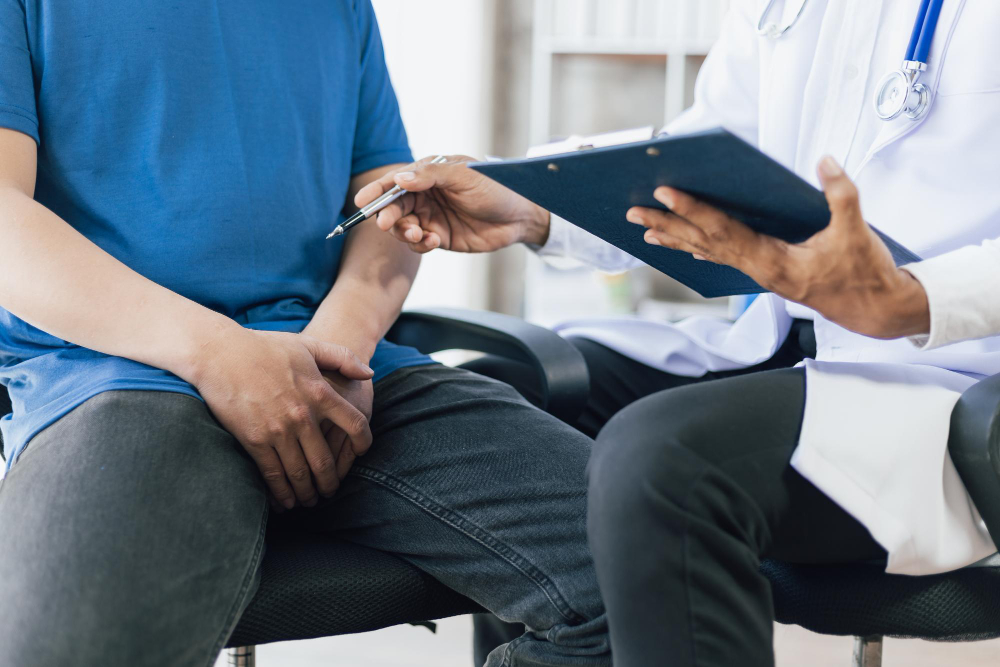
What is Prostate Cancer?
Prostate cancer is a disease that starts in the prostate gland. The prostate is a small organ found only in men. It helps make some of the fluid in semen. Prostate cancer happens when cells in the prostate grow out of control. This type of cancer is common in older men. However, early detection of prostate cancer can help save lives. According to the World Health Organization, prostate cancer is one of the most common cancers in men worldwide.
Importance of Early Screening
Early screening for prostate cancer is very important. When found early, prostate cancer is easier to treat. In fact, many men do not have symptoms in the early stages. Because of this, regular screening can help find cancer before it spreads. Early detection of prostate cancer often leads to better outcomes. For men over 50, or those with a family history, screening is even more important. Some men may need to start screening earlier based on their risk factors.
Common Screening Methods
There are two main ways to screen for prostate cancer. Both are simple and quick. These tests help doctors find signs of cancer early.
Sometimes, both tests are used together. If results are not normal, more tests may be needed.
How Prostate Cancer is Diagnosed
If screening tests suggest cancer, doctors will do more tests to confirm. These steps help find out if cancer is present and how advanced it is.
After diagnosis, doctors use the results to plan the best treatment.
Treatment Options for Prostate Cancer
Treatment depends on the stage of cancer and the patient’s health. There are several prostate cancer treatment options. Each has its own benefits and risks. Your doctor will help you choose the best plan.
Sometimes, doctors use more than one treatment. New treatments are also being studied in clinical trials.
Lifestyle Tips and Prevention
While not all cases can be prevented, healthy habits may lower your risk. Here are some tips on how to prevent prostate cancer:
In addition, regular check-ups can help catch problems early.
When to See a Doctor
It is important to see a doctor if you notice any changes in your health. For example, see your doctor if you have:
Even if you feel fine, regular screening is wise, especially if you are over 50 or have a family history of prostate cancer.
Conclusion
Prostate cancer can be serious, but early detection and treatment make a big difference. Screening, diagnosis, and treatment options are better than ever. Consult Dr. Mehul Agarwal for personalized advice on prostate cancer screening and treatment.