
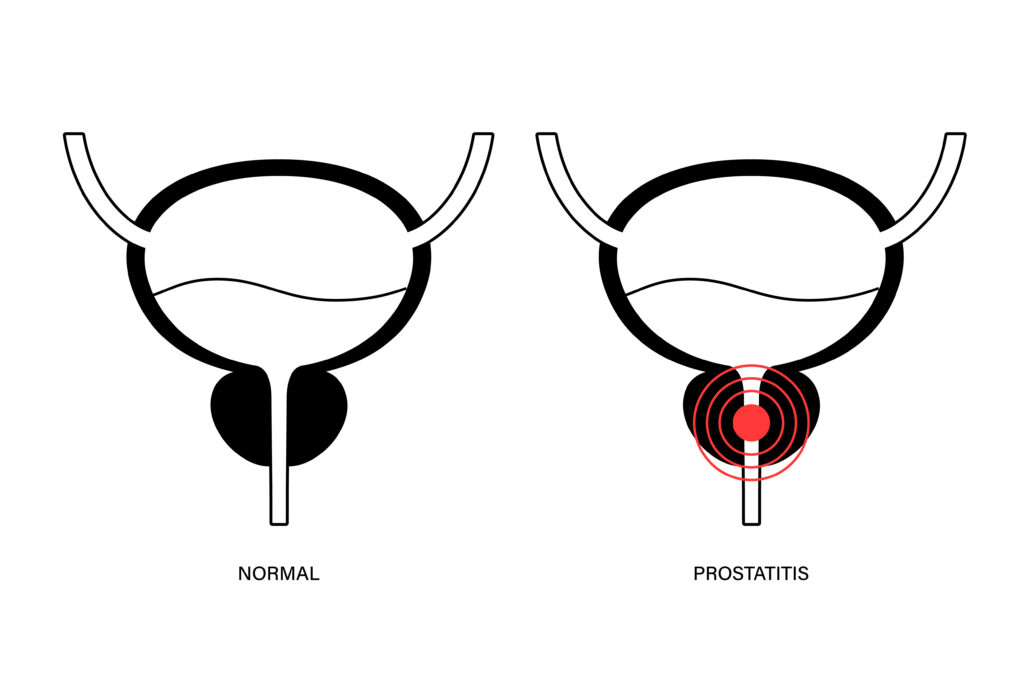
What Is Prostatitis?
Prostatitis is swelling or irritation of the prostate gland. The prostate is a small organ found below the bladder in men. It helps make fluid for semen. When the prostate becomes inflamed, it can cause pain and other problems. Many men may experience prostatitis at some point in their lives. According to the CDC, prostatitis is a common reason for visits to the doctor. While it can affect men of any age, it is more common in those under 50.
Common Symptoms of Prostatitis
Symptoms of prostatitis can vary. Sometimes, they appear suddenly. Other times, they develop slowly. For example, chronic prostatitis symptoms may last for months. However, not everyone will have all symptoms. Common signs include:
Because these symptoms can also be caused by other conditions, it is important to see a doctor for proper diagnosis.
Causes and Risk Factors
There are several causes of prostatitis. Sometimes, bacteria infect the prostate. Other times, the cause is not clear. In many cases, no infection is found. Still, certain factors can raise the risk. For instance, men with a recent urinary tract infection (UTI) may be more likely to develop prostatitis. Here are some common causes and risk factors:
Although anyone can get prostatitis, it is more common in younger and middle-aged men. The CDC notes that chronic prostatitis is often not caused by bacteria.
How Prostatitis Is Diagnosed
Doctors use several steps to diagnose prostatitis. First, they ask about your symptoms and medical history. Next, they may do a physical exam. Often, this includes a digital rectal exam to check the prostate. In addition, doctors may order urine or blood tests. These tests help find signs of infection or other problems. Sometimes, a prostate massage is done to collect fluid for testing. In rare cases, imaging tests like ultrasound may be needed. Because symptoms can be similar to other conditions, careful testing is important.
Treatment Options for Prostatitis
Treatment depends on the type and cause of prostatitis. For bacterial prostatitis, doctors usually prescribe antibiotics. You may need to take them for several weeks. If symptoms are severe, you might need treatment in a hospital. For chronic prostatitis, treatment options may include:
Sometimes, symptoms return even after treatment. In these cases, doctors may suggest other medicines or therapies. If you are looking for prostatitis treatment in your area, many clinics offer specialized care.
Lifestyle Tips and Prevention
While not all cases of prostatitis can be prevented, certain steps may help lower your risk. For example, staying hydrated and practicing good hygiene can make a difference. Here are some tips on how to prevent prostatitis:
According to the CDC and WHO, healthy habits can support prostate health. However, if you notice any symptoms, seek medical advice and consult Dr. Mehul Agarwal . Early care can help prevent complications and improve your quality of life.