
What is Urinary Incontinence?
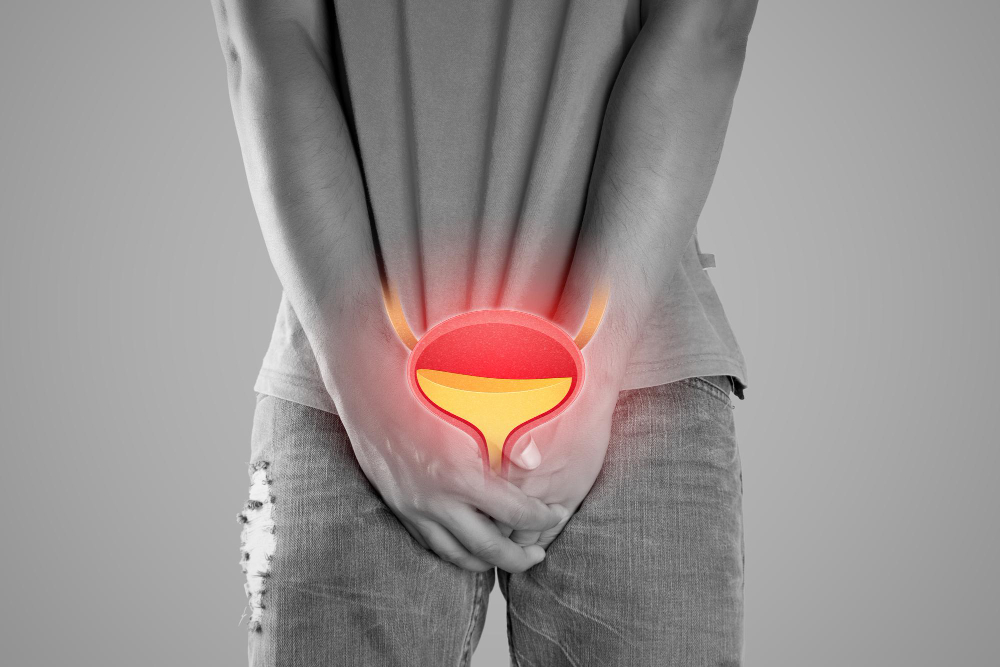
Urinary incontinence means losing control over your bladder. This can lead to urine leakage, which may happen when you cough, sneeze, or even laugh. For many people, this condition can affect daily life and confidence. Urinary incontinence is common, especially in older adults, but it can affect anyone. Because it can be embarrassing, some people avoid talking about it. However, there are many treatment options available. Urology specialists can help you find the right solution for your needs.
Common Symptoms
Urinary incontinence can show up in different ways. Some people may notice only mild leakage, while others may have more frequent accidents. For example, you might leak urine when lifting something heavy. Or, you may feel a sudden, strong urge to urinate and not make it to the bathroom in time. Here are some common symptoms:
Main Causes and Risk Factors
There are several reasons why urinary incontinence can happen. Sometimes, it is due to weak bladder muscles. Other times, it may be caused by nerve problems or certain health conditions. In addition, some risk factors can increase your chances of developing this issue. Below are the main causes and risk factors:
How is Urinary Incontinence Diagnosed?
Doctors use several methods to diagnose urinary incontinence. First, they will ask about your symptoms and medical history. Next, they may perform a physical exam. Sometimes, you may need to keep a bladder diary. This means writing down when you urinate and when leaks happen. In addition, your doctor may order tests such as:
These tests help your doctor find the cause and choose the best treatment.
Effective Treatment Options
There are many ways to treat urinary incontinence. Your doctor will suggest a plan based on your symptoms and health. For some, simple lifestyle changes may help. Others may need medication or surgery. Here are some common treatment options:
In many cases, a combination of treatments works best. Your urologist will help you decide what is right for you.
Lifestyle Tips for Managing Urinary Incontinence
While treatment is important, daily habits can also make a big difference. For example, making small changes can help you manage symptoms better. Try these tips:
With these steps, you may notice fewer leaks and better bladder control.
Prevention Strategies
Although not all cases can be prevented, you can lower your risk. For instance, healthy habits can protect your bladder and pelvic muscles. Consider these prevention tips:
By following these steps, you can support your bladder health and reduce your risk of urinary incontinence.
In summary, urinary incontinence is a common condition that affects many people. However, with the right care and support, symptoms can be managed and quality of life can improve. Consult Dr. Mehul Agarwal for a detailed evaluation, personalized guidance, and appropriate treatment options for urinary incontinence.